
more pyrates way
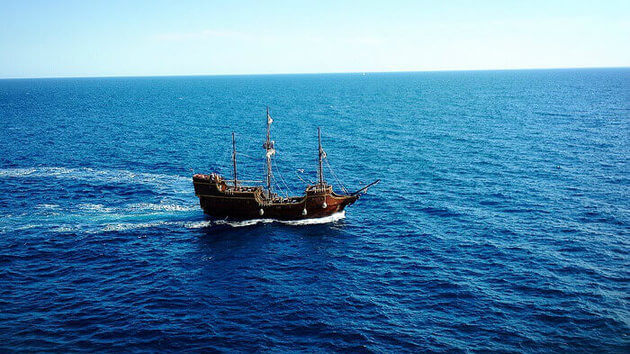
the seventeenth century
Set against the backdrop of the 16th and 17th centuries, Pyrates’ Way explores the realities of piracy during a transformative period in Atlantic history.
Rather than focusing solely on legend, this section examines how piracy developed on both sides of the Atlantic — shaped by trade expansion, political conflict, and economic instability. Violence, ambition, and survival all played a role in defining the era.

Life and Adaptation at Sea
Pirates were not simply outlaws of folklore. They were sailors operating within harsh maritime systems, adapting to shifting power structures and dangerous conditions.
By studying their ships, weapons, and strategies, we gain insight into how crews functioned and how piracy evolved over time. From small raiding vessels to larger armed ships, design and maneuverability were often the difference between success and capture.
Research and Historical Insight
This section is dedicated to exploring pirate history through research-based analysis. Here you will find:
- Historical context surrounding piracy
- Examination of maritime strategy
- Insights into ship construction and naval tactics
- Profiles of notable figures such as Jean Lafitte
By separating myth from documentation, Pyrates’ Way aims to provide a clearer understanding of life at sea — both its risks and its realities.
The Reality of Life at Sea
Life at sea in the 16th and 17th centuries demanded resilience, discipline, and constant adaptation. Pirate crews depended not only on aggression, but also on navigation skills, ship design, and coordinated teamwork.
Understanding piracy requires looking beyond raids and treasure. It involves examining ship construction, sail technology, weaponry, and the logistical challenges of long voyages across the Atlantic. The type of vessel a crew commanded often determined its speed, maneuverability, and survival in battle.
Beyond the Legends
Pirates are often remembered for dramatic raids and daring exploits, yet their daily lives were shaped by harsh realities — limited supplies, unstable alliances, and constant threat from naval forces.
Figures such as Jean Lafitte became widely known for their strategic ability and maritime skill. However, the broader crews who sailed alongside them also played a crucial role in sustaining pirate operations. Their stories reveal the collective effort behind what later became legend.